Shoreline, WA · King County
Hydrostatic Pressure Water Removal in Shoreline, WAWet Subfloor Removal & Foundation Crack Water Infiltration
Hydrostatic Pressure Water Removal in Shoreline covers groundwater intrusion mitigation, wet subfloor removal and crawl space water extraction.
Answered 24/7
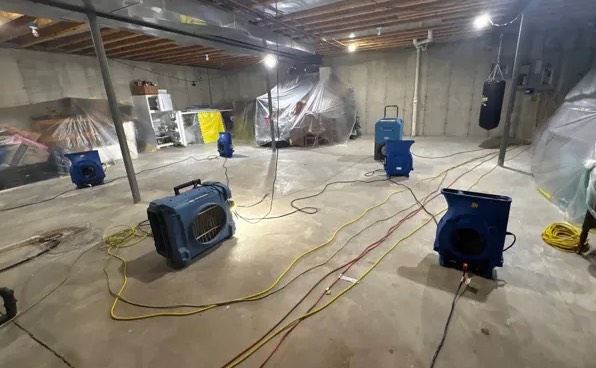
Local Pros for Hydrostatic Pressure Water Removal in Shoreline
A failed sump pump or poor drainage can flood a lower level fast. The water often carries mud and silt, which adds cleaning to the extraction and drying.
In Shoreline and nearby Woodway, Mountlake Terrace and Brier, soaked soil can push water into basements and crawl spaces. Local hydrostatic pressure experts extract the water and dry the structure.
Comprehensive Hydrostatic Pressure Water Removal Solutions
Wet Subfloor Removal
The process includes cutting out affected panels, disposing of them properly, and creating a dry, stable base for the new flooring material.
Foundation Crack Water Infiltration
Even hairline cracks can let in a lot of water when the soil is soaked. The water inside is removed, and sealing the crack is left to a foundation contractor.
Slab Seepage Water Removal
Slab seepage water removal clears water that soil pressure forces through joints and cracks in the slab, then the flooring and baseboards are checked with moisture meters.
Basement Hydrostatic Pressure Flooding
The process involves extracting standing water, assessing the foundation for entry points, and beginning the structural drying process to stabilize the environment.
Crawl Space Water Extraction
Water accumulation in crawl spaces due to hydrostatic pressure can compromise air quality and structural integrity.
Signs of Groundwater Intrusion Requiring Hydrostatic Pressure Water Removal
Spongy or Soft Spots on Floors
Damp spots or lifting flooring on a slab can mean water is coming up from below.
Damp or Musty Odors in Basement
A constant musty smell in the lower level often means groundwater is getting in somewhere.
Visible Cracks in Foundation Floors
New or widening cracks in a basement slab can let groundwater in when the soil is wet.
Water Seeping From Foundation Walls
Water seeping at the base of foundation walls means groundwater is being pushed in by pressure from the soil.
How Hydrostatic Pressure Water Removal Works in Shoreline
Step 1: Source Containment and Control
Where possible, the water source is controlled first, such as redirecting downspouts or stopping a plumbing leak.
Step 2: Crawl Space Water Extraction
Equipment made for tight spaces extracts water from the crawl space so the framing can start drying.
Step 3: Affected Material Removal
Wet insulation and subflooring that cannot be dried are removed and hauled away.
Step 4: Dehumidification and Air Scrubbing
Dehumidifiers and air scrubbers bring humidity down and clear the musty air until the space is dry.
How Hydrostatic Pressure Creates Water Removal Emergencies
High Water Table Levels
A high water table keeps steady pressure on the foundation and pushes water through cracks and joints.
Poor Exterior Drainage Systems
Clogged gutters, downspouts and poor grading send water toward the foundation, where it builds pressure in the soil.
Foundation Settlement and Cracks
As a foundation settles, cracks form and give groundwater a direct path inside.
Plumbing Leaks Under the Slab
A broken water line under the slab keeps feeding water up through the floor.
Hydrostatic Pressure Water Removal for All Property Types
Residential Hydrostatic Pressure Water Removal
Persistent basement flooding from hydrostatic pressure can ruin furnaces, water heaters and stored items. Local structural drying professionals dry the structure fully to prevent further damage.
Commercial Hydrostatic Pressure Water Removal
In multi-tenant buildings, groundwater cleanup has to be planned around other businesses. The pros coordinate access and drying to limit disruption.
Hydrostatic Pressure Water Removal: Why DIY Falls Short
If a plumbing leak may be adding to the water, shut off the main valve. Finding where groundwater enters and drying the structure takes meters and drying equipment.
Hydrostatic Pressure Water Removal Cost in Shoreline, WA
The cost of hydrostatic pressure water removal in Shoreline depends on how much of the lower level flooded and how much water came in.
Material Saturation Level
Deeply soaked subflooring or wet foundation walls need more extraction and dehumidification.
Required Drying Time
The number of days the structure takes to dry is a large part of the cost.
Mitigation Measures
Drainage or waterproofing work to stop water from returning is a separate cost from the water removal.
Does Insurance Cover Hydrostatic Pressure Water Removal?
Whether insurance covers foundation water removal depends on how your policy treats groundwater. The pros document the flooded area and the damage, and your insurer makes the final call.
Selecting Local Pros for Hydrostatic Pressure Water Removal in Shoreline, WA
Controlled Demolition Protocols
Only subfloor and materials that cannot be dried are removed, which keeps the repair smaller.
Structural Damage Assessment
The pros check where water came in and which materials it reached before drying starts.
Targeted Groundwater Extraction
Equipment made for tight spaces removes water from crawl spaces and around slabs.
Emergency Hydrostatic Pressure Water Removal in Shoreline
Drying after groundwater gets in starts with a call to (253) 683-7099. The experts are available 24/7 in Shoreline to remove the water and set up drying.
Call Now (253) 683-7099Hydrostatic Pressure Water Removal Near Shoreline: Areas Served
Help with hydrostatic pressure water removal is available for properties in Shoreline and nearby Woodway, Mountlake Terrace and Brier.
- Hydrostatic Pressure Water Removal in Woodway
- Hydrostatic Pressure Water Removal in Mountlake Terrace
- Hydrostatic Pressure Water Removal in Brier
- Hydrostatic Pressure Water Removal in Edmonds
- Hydrostatic Pressure Water Removal in Kenmore
- Hydrostatic Pressure Water Removal in Lynnwood
- Hydrostatic Pressure Water Removal in Bothell
- Hydrostatic Pressure Water Removal in Kirkland
- Emergency Damage Restoration in 98133
- Storm Damage Restoration in 98133
- Water Damage Restoration in 98133
- Water Extraction Service in 98133
- Water Leak Detection in 98133
- Water Removal Service in 98133
- Emergency Damage Restoration in 98155
- Storm Damage Restoration in 98155
Hydrostatic Pressure Water Removal FAQs
What are signs of soil pressure water intrusion?
Water seeping where the floor meets the wall, damp foundation walls and ongoing moisture in a crawl space.
Will drying stop water from coming back?
No. Drying fixes the damage that is already there. Keeping water out takes drainage, grading or waterproofing work by a contractor.
When is wet subfloor removal necessary?
When wood subflooring is so soaked that it cannot be dried, it is removed to prevent rot and a weak floor.
What equipment is used for groundwater extraction?
Groundwater extraction uses submersible pumps for deep water, wet-dry vacuums for shallow flooding, and specialized extractors for under-slab water removal.
What is structural drying after intrusion?
It is drying the concrete, wood and other building materials after groundwater or flood water gets inside.