North Bend, WA · King County
Basement Water Removal in North Bend, WABasement Dehumidification & Basement Wall Drying
Basement Water Removal in North Bend includes basement water pump out, basement drying services and basement moisture inspection.
Answered 24/7
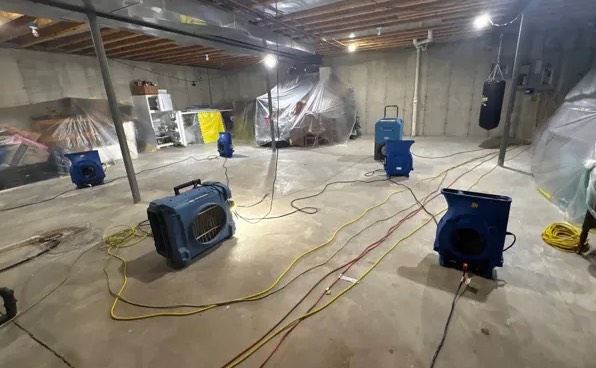
Local Basement Water Removal Services for North Bend
A wet basement gets worse every hour the water stays. In North Bend, water on a basement floor wicks up drywall, soaks carpet pad and seeps into the concrete, and cool below-grade air keeps it from drying on its own.
Homeowners in North Bend can call (253) 683-7099 day or night when the basement is taking on water. Service also covers Snoqualmie, Issaquah and Sammamish, with the same pumping and drying steps.
Specialized Basement Water Removal for North Bend
Basement Dehumidification
Large dehumidifiers pull moisture from basement air, which lets walls, framing and the slab release the water they absorbed.
Basement Wall Drying
Concrete and block walls dry with directed airflow and dehumidification, which pull water out of the masonry.
Basement Water Pump Out
When water is more than an inch or two deep, pumps move it far faster than wet vacs, which limits how long walls sit in water.
Basement Floor Water Damage
Flooring that buckled or swelled is removed. Tile and sealed concrete can often be cleaned and dried in place.
Emergency Basement Flooding
Emergency response starts with making power safe, stopping the source if possible and pumping out the water.
Indicators You Need Professional Water Removal
Mold or Mildew
Dark spots on drywall, framing or stored items mean the area has stayed wet for days.
Gurgling Sounds From Drains
Gurgling floor drains or slow drains can be an early sign of a sewer line problem.
Efflorescence on Concrete Walls
White, powdery deposits on concrete walls mean water is passing through the masonry.
Water Stains on Walls or Ceiling
Stains on lower walls or the ceiling below a bathroom or kitchen point to a leak.
How Basement Water Removal Works in North Bend
Step 1: First Call and Initial Assessment
The source, the type of water and the depth are checked, and the water level is photographed.
Step 2: Bulk Water and Contaminant Removal
Pumps remove standing water, and carpet, pad or drywall touched by dirty water is removed.
Step 3: Drying With Monitoring
Dehumidifiers and air movers run around the clock, with readings logged every day on walls and slab.
Step 4: Post-Drying Evaluation and Documentation
Final readings and photos are compiled to show the basement is dry and what was removed.
Sources of Basement Water Problems
Clogged or Damaged Gutters
Clogged gutters and short downspouts dump roof water right next to the foundation.
Heavy Rainfall and Storm Flooding
Heavy rain saturates the soil and pushes water through walls, cracks and the floor joint.
Improper Landscape Grading
Soil that slopes toward the house directs rainwater straight to the basement walls.
Sump Pump Malfunction or Power Loss
A sump pump that fails mechanically or loses power during a storm lets groundwater rise.
Residential and Commercial Basement Water Removal in North Bend
Residential Basement Water Removal
In homes, a wet basement often means damaged carpet, drywall and stored belongings, plus a furnace or water heater sitting in water. Water is pumped out and the space dried.
Commercial Basement Water Removal
In commercial buildings, basements often house mechanical rooms and storage. Water is removed quickly so systems can be checked and restarted safely.
Professional Basement Water Removal Versus Do-It-Yourself
You can move belongings up off the floor and run the dehumidifier you already own. Drying soaked walls and slab needs larger equipment and readings to confirm the job is done.
Investing in Professional Basement Water Removal
In North Bend, the drying phase usually costs more than the pumping, because basements need equipment running for several days.
Affected Materials
Finished walls, carpet and laminate take more removal work than bare concrete.
Contamination Level
Sewage or dirty water needs protective gear, removal and disinfection, which costs more.
Time of Service
Night, weekend and storm calls can cost more than a scheduled weekday visit.
Does Insurance Cover Basement Water Removal?
Photos, moisture readings and drying logs from local basement drying experts help support an insurance claim for basement water damage in North Bend.
Benefits of Hiring Local Pros for Basement Water Removal in North Bend
Methodical Water Removal Process
Water is removed in a set order: pump-out, extraction, removal of soaked materials, then drying.
Post-Service Moisture Verification
Final readings are recorded before equipment leaves, so you know the basement is dry.
Contamination Safety Protocols
Sewage and dirty water are handled with protective gear, containment and disinfection.
Round-the-Clock Basement Water Removal for North Bend
If water is near outlets, the furnace or the electrical panel, stay out of it. Call (253) 683-7099 for help in North Bend and wait for power to be made safe.
Call Now (253) 683-7099Basement Water Removal Serving North Bend and Surroundings
Help with basement water removal reaches Snoqualmie, Issaquah and Sammamish, plus other communities around North Bend, for finished and unfinished basements alike.
- Basement Water Removal in Snoqualmie
- Basement Water Removal in Issaquah
- Basement Water Removal in Sammamish
- Basement Water Removal in Maple Valley
- Basement Water Removal in Black Diamond
- Basement Water Removal in Covington
- Basement Water Removal in Fairwood
- Basement Water Removal in Renton
- Emergency Damage Restoration in 98045
- Storm Damage Restoration in 98045
- Water Damage Restoration in 98045
- Water Extraction Service in 98045
- Water Leak Detection in 98045
- Water Removal Service in 98045
Basement Water Removal in North Bend: Your Questions
What should I do right after basement flooding?
Make power safe, avoid sewage, move belongings above the water, take photos and call for water removal.
Does basement flood cleanup include mold prevention?
Fast drying is the main prevention. Wood and concrete that stayed wet can be treated with an antimicrobial once dry.
What causes basement floor water damage?
Storm seepage, burst pipes, appliance leaks, foundation cracks and sewer backups through floor drains are the usual sources.
How is contaminated water handled in a basement?
With protective gear, containment, removal of porous materials and disinfection of hard surfaces before drying.
Why is fast water removal so important for basements?
Basements dry slowly, so every hour of standing water adds drying days and more materials to replace.