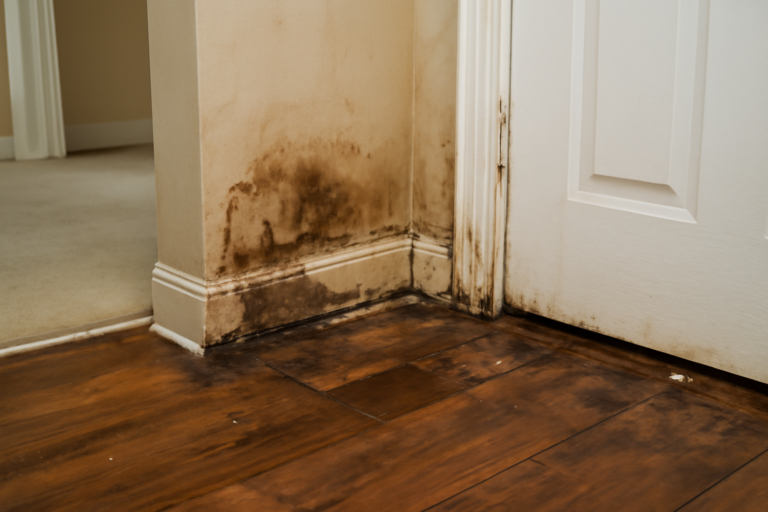
Basement Water Extraction in Stanwood, WA
Trusted by 145+ Homeowners
- Over 149 5-Star Reviews
- Free Estimates and Quotes
- 100% Satisfaction Guaranteed
- Child, Family & Pet Safe Steps
- 24-Hour Emergency Service
- Fully Licensed & Insured

Basement Water Extraction in Stanwood, WA: What You Need to Know
We’ve seen it all in this area – flooded basements, water damage, and the stress that comes with it. Our team has helped countless homeowners in Stanwood, WA, and the surrounding areas, deal with the aftermath of a water disaster. Whether it’s a burst pipe, a leaky roof, or a natural disaster, we’re here to guide you through the process and make it as smooth as possible. Our technicians are IICRC certified and have years of experience in basement water extraction. We’ve helped homeowners just like you, and we can do the same for you.
With over 165 five-star reviews, you can trust that you’re in good hands. Our team is locally owned and operated, and we take pride in our work. We’ll work with your insurance company to ensure that you get the coverage you deserve. Our goal is to make this process as stress-free as possible for you.
- We’ll arrive quickly to assess the damage and start the extraction process.
- We’ll use specialized equipment to remove water and dry your basement, reducing the risk of mold and further damage.
- We’ll work with your insurance company to ensure that you get the coverage you deserve.
How Our Basement Water Extraction Process Works
When you call us, we’ll send a team of experts to your property to assess the damage and start the extraction process. We’ll use specialized equipment to remove water and dry your basement, reducing the risk of mold and further damage. Our technicians are trained to work efficiently and effectively, so you can get back to your normal routine as soon as possible.
Step 1: Assessment and Planning
Our team will arrive at your property to assess the damage and find out the best course of action. We’ll identify the source of the water and develop a plan to extract it safely and efficiently. Our technicians will also take note of any potential safety hazards and take steps to mitigate them.
Step 2: Water Extraction
Once we’ve assessed the damage and developed a plan, our technicians will begin the water extraction process. We’ll use specialized equipment to remove water from your basement, including pumps, vacuums, and dehumidifiers. Our goal is to remove as much water as possible as quickly as possible to reduce the risk of further damage.
Step 3: Drying and Dehumidification
After the water has been extracted, our technicians will focus on drying and dehumidifying your basement. We’ll use specialized equipment to remove excess moisture and prevent mold growth. Our goal is to return your basement to a safe and dry condition as quickly as possible.
Step 4: Cleaning and Sanitizing
Once your basement is dry, our technicians will focus on cleaning and sanitizing the area. We’ll remove any remaining debris, clean any surfaces, and apply a sanitizing agent to prevent mold growth. Our goal is to leave your basement in better condition than it was before the flood.
Step 5: Final Inspection and Completion
Once the cleaning and sanitizing process is complete, our technicians will conduct a final inspection to ensure that your basement is safe and dry. We’ll also provide you with a comprehensive report outlining the work we’ve done and any recommendations for future maintenance. Our goal is to ensure that you’re completely satisfied with our work.
Don’t wait until it’s too late – call us today to schedule your basement water extraction service. Our team is ready to help you get back to your normal routine as quickly as possible.

Warning Signs You Need Basement Water Extraction
Ignoring the warning signs of a water problem can lead to costly repairs and even health hazards. Here are some common warning signs that you need basement water extraction:
Musty Odors That Won’t Go Away
If you notice a musty odor in your basement that persists even after cleaning, it could be a sign of a water problem. Water can seep into your basement and create an ideal environment for mold growth, which can produce a strong, unpleasant odor.
Water Stains on the Ceiling or Walls
Water stains on the ceiling or walls of your basement can be a sign of a water leak. If you notice any water stains, it’s essential to investigate further to find out the source of the leak and address it quickly.
Warped or Buckled Flooring
Warped or buckled flooring can be a sign of water damage. If you notice any changes in the texture or shape of your flooring, it’s essential to investigate further to find out the cause and address it quickly.
Peeling Paint or Wallpaper
Peeling paint or wallpaper can be a sign of water damage. If you notice any peeling or flaking paint or wallpaper, it’s essential to investigate further to find out the cause and address it quickly.
Visible Water Leaks
Visible water leaks can be a sign of a water problem. If you notice any water leaking from a pipe, faucet, or appliance, it’s essential to address the issue quickly to prevent further damage.
Unusual Sounds or Odors
Unusual sounds or odors in your basement can be a sign of a water problem. If you notice any unusual sounds or odors, it’s essential to investigate further to find out the cause and address it quickly.
Basement Water Extraction vs. DIY: When To Call a Professional
| Situation | DIY? | Call a Pro? | Why |
|---|---|---|---|
| Small water leak (less than 1 gallon per minute) | Yes | No | DIY kits are available for small water leaks. |
| Large water leak (more than 1 gallon per minute) | No | Yes | Large water leaks need specialized equipment and expertise to prevent further damage. |
| Water damage due to a natural disaster | No | Yes | Natural disasters often need specialized equipment and expertise to prevent further damage and ensure safety. |
| Water damage due to a burst pipe | No | Yes | Burst pipes need immediate attention to prevent further damage and ensure safety. |
| Water damage due to a flooded basement | No | Yes | Flooding needs specialized equipment and expertise to prevent further damage and ensure safety. |
Don’t take the risk of trying to fix a water problem yourself – call a professional for peace of mind and to ensure that the job is done right.
Basement Water Extraction Cost In Stanwood, WA
The cost of basement water extraction in Stanwood, WA, can vary depending on the severity of the damage, the size of the affected area, and local conditions. Our estimates typically range from $500 to $2,500, but can be higher or lower depending on the specific circumstances. We’ll provide you with a detailed estimate after assessing the damage and developing a plan to extract the water.
| Service | Typical Price Range | What Affects Cost |
|---|---|---|
| Water Extraction | $500 – $2,500 | Severity of damage, size of affected area, local conditions |
| Drying and Dehumidification | $500 – $2,000 | Size of affected area, local conditions |
| Cleaning and Sanitizing | $200 – $1,000 | Size of affected area, local conditions |
| Final Inspection and Completion | $100 – $500 | Size of affected area, local conditions |
| More Services (e.g. Mold remediation, structural repairs) | $1,000 – $5,000 | Severity of damage, size of affected area, local conditions |
Exact pricing will depend on an on-site assessment and may vary based on the specific circumstances. We offer free estimates and will work with you to develop a plan that meets your needs and budget.
Service Areas Near Stanwood, WA
We serve the following communities: Arlington, Darrington, Everett, Granite Falls, Lake Stevens, Marysville, Monroe, Mount Vernon, Snohomish, Sultan, and more.
Common Questions About Basement Water Extraction
Q: What is the average cost of basement water extraction in Stanwood, WA?
A: The average cost of basement water extraction in Stanwood, WA, can range from $500 to $2,500, depending on the severity of the damage, the size of the affected area, and local conditions. Our estimates typically fall within this range, but may vary based on the specific circumstances.
Q: How long does it take to complete a basement water extraction job?
A: The length of time it takes to complete a basement water extraction job can vary depending on the severity of the damage, the size of the affected area, and local conditions. But, our technicians are trained to work efficiently and effectively, so you can expect the job to be completed within 3-5 days.
Q: What is the best way to prevent basement water damage?
A: The best way to prevent basement water damage is to identify and address potential sources of water leaks, such as cracks in the foundation, clogged gutters, and faulty appliances. Regular maintenance and inspections can help prevent water damage and ensure that your basement remains safe and dry.
Q: What is the process for filing an insurance claim for basement water damage?
A: The process for filing an insurance claim for basement water damage typically involves contacting your insurance company, providing documentation of the damage, and working with a claims adjuster to find out the extent of the damage and the cost of repairs. Our team is experienced in working with insurance companies and can help guide you through the process.
Check Our Other Relevant Services
Serving Stanwood, WA And Nearby Areas