Auburn, WA · King County
Attic Water Removal in Auburn, WAEmergency Attic Water Extraction & Attic Mold Prevention
Attic Water Removal in Auburn includes emergency attic water extraction, ceiling water damage cleanup and attic drying services after a leak.
Answered 24/7
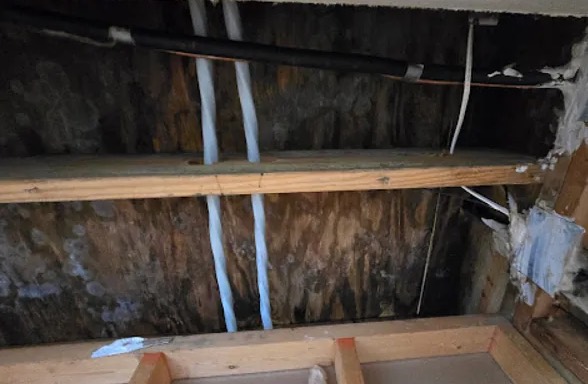
Expert Attic Water Removal for Auburn
Attic Water Removal in Auburn covers both the attic and the room below. Water rarely stays on the attic floor; it soaks the ceiling and sometimes runs down the walls.
A heavy storm in Auburn can push water into an attic overnight. Local attic drying specialists serve Auburn and nearby Algona, Pacific and Federal Way, with help available around the clock.
Detailed Attic Water Removal Solutions
Emergency Attic Water Extraction
Emergency extraction starts with buckets and containment under active drips, then moves to pulling pooled water off the attic floor.
Attic Mold Prevention
After drying, wood that was wet for more than a day or two can be treated with an antimicrobial to slow microbial growth.
Roof Leak Water Removal
A temporary tarp over the damaged section keeps more rain out until the roofer can make a permanent repair.
Attic Drying Services
Drying continues until rafters, decking and ceiling drywall reach normal moisture readings, which is often several days.
Wet Attic Insulation Removal
Only the wet sections come out. The edges of the wet area are checked with a meter so dry insulation is not removed by mistake.
Indicators of Attic Water Damage in Auburn
Water Dripping From Light Fixtures
Water dripping from a ceiling light or fan means an active leak above. Turn off that circuit.
Wet or Damp Attic Insulation
Insulation that feels damp, looks dark or has packed down in one area has absorbed water.
Peeling Paint on Ceilings or Walls
Paint that peels or blisters on upstairs ceilings and walls often has water behind it.
Sagging or Bubbling Ceiling Drywall
Ceiling drywall that sags, bulges or bubbles at the seams is holding water and may fall.
How Attic Water Removal Works in Auburn
Step 1: Containment and Safety Setup
Power to wet fixtures is shut off and plastic sheeting protects the room below.
Step 2: Roof Leak Water Removal and Cleanout
Rainwater is removed, a tarp is placed over roof damage, and wet debris is cleared.
Step 3: Moisture Evaporation and Attic Drying
Equipment runs on safe footing in the attic, with readings checked each day.
Step 4: Validation of Dry Conditions
Final readings are compared to dry areas to confirm the attic is ready for new insulation.
Common Causes of Attic Water Damage in Auburn
Flashing Failures Around Roof Penetrations
Failed flashing around vents, chimneys and skylights lets rain run into the attic.
Condensation From Poor Attic Ventilation
Moist air from the house condenses on roof decking when attic ventilation is poor.
Overflow From Clogged Bathroom Exhaust Ducts
Bathroom fan ducts that are loose or vented into the attic release moisture onto the wood.
HVAC System Leaks or Drain Pan Overflow
An attic air handler overflows when its condensate line clogs or the drain pan cracks.
Attic Water Removal for Homes and Businesses
Residential Attic Water Removal
Homeowners with stored items in the attic need those moved out first. Wet boxes are dried or discarded before the attic floor is cleaned and dried.
Commercial Attic Water Removal
Offices and stores need the space below protected while attic work is under way. Drying is planned around business hours where possible.
The Risks of DIY Attic Water Removal in Auburn
Catching drips with a bucket and moving furniture out of the way is a smart first step. Call local attic drying specialists if water is pooling in the attic, the ceiling is stained or sagging, or insulation is wet.
Factors Influencing Attic Water Removal Cost
In Auburn, the biggest costs in attic jobs are usually insulation removal, drying equipment days and ceiling repair in the room below.
Secondary Damage Repairs
Ceiling drywall replacement and paint in the room below add to the total.
Water Contamination Level
Clean rainwater is simpler to handle than water from a drain line or other dirty source.
Mold Prevention Measures
Antimicrobial treatment of wood that stayed wet is an added step, priced by area.
Does Insurance Cover Attic Water Removal?
Coverage for attic water removal depends on the cause and your policy terms. The pros document the damage and drying, and your insurer decides what is covered.
Advantages of Hiring Local Pros for Attic Water Removal in Auburn
24/7 Emergency Response
Help is available day or night when water is coming through the ceiling.
Mold Inhibitor Application
Wood that stayed wet can be treated with an antimicrobial after it is dried.
Controlled Demolition Practices
Only wet insulation and drywall are removed, which keeps the repair as small as possible.
24/7 Emergency Attic Water Removal in Auburn
Wet insulation keeps the ceiling soaking every hour it stays. Call (253) 683-7099 for attic water removal in Auburn as soon as you see a stain or drip.
Call Now (253) 683-7099Communities Served for Attic Water Removal
Besides Auburn, the specialists remove attic water, wet insulation and soaked ceiling drywall in nearby Algona, Pacific and Federal Way.
- Attic Water Removal in Algona
- Attic Water Removal in Pacific
- Attic Water Removal in Federal Way
- Attic Water Removal in Kent
- Attic Water Removal in Milton
- Attic Water Removal in Sumner
- Attic Water Removal in Covington
- Attic Water Removal in Des Moines
- Emergency Damage Restoration in 98001
- Storm Damage Restoration in 98001
- Water Damage Restoration in 98001
- Water Extraction Service in 98001
- Water Leak Detection in 98001
- Water Removal Service in 98001
- Emergency Damage Restoration in 98002
- Storm Damage Restoration in 98002
Frequently Asked Questions About Attic Water Removal
What equipment is used for attic water extraction?
Wet vacs, pumps, air movers, dehumidifiers, moisture meters and thermal cameras, plus vacuums for wet insulation.
Will attic water damage cause mold?
It can if wood and insulation stay wet for days. Fast removal and drying are the main ways to prevent mold.
What causes attic water damage?
Roof leaks, plumbing failures, attic AC overflows, water heater leaks, loose bath fan ducts and poor ventilation.
How can mold be prevented after attic water removal?
By drying wood quickly, fixing ventilation problems and treating framing that stayed wet with an antimicrobial.
How quickly should I deal with water in my attic?
Right away. Water on top of ceiling drywall soaks in and adds weight, and the ceiling can sag or fall within a day.